Your business operates in a dynamic environment. In Singapore, the digital landscape evolves at an unprecedented pace. To not just survive but thrive, a sharp focus on maximising your return on investment (ROI) through strategic digital marketing is no longer optional. It is fundamental. This isn’t about chasing trends. It’s about leveraging data to drive tangible business outcomes.
Before we can maximise anything, we must first understand what we’re measuring. For many businesses, digital marketing ROI feels like an abstract concept. It doesn’t have to be. At its core, ROI is a simple calculation: the profit generated by your digital marketing efforts divided by the total cost of those efforts, expressed as a percentage. Yet, achieving this clarity requires more than just tracking vanity metrics.
What True ROI Looks Like for Your Business
Profitability is the ultimate measure of success. We look beyond likes and shares to understand how digital campaigns directly contribute to your bottom line. This involves a rigorous examination of key performance indicators (KPIs) that align directly with your business objectives. Are your campaigns driving qualified leads? Are those leads converting into paying customers? What is the average customer lifetime value generated from your digital channels? These are the questions we answer.
Identifying Your Key Performance Indicators (KPIs)
The first step in building a data-driven strategy is defining the right KPIs. For a business in Singapore, these might include:
Lead Generation Efficiency
- Cost Per Lead (CPL): How much does it cost to acquire a single lead through a specific digital channel?
- Lead-to-Customer Conversion Rate: What percentage of leads generated actually become paying customers?
Customer Acquisition and Value
- Customer Acquisition Cost (CAC): The total cost of sales and marketing efforts needed to acquire a new customer.
- Customer Lifetime Value (CLV): The predicted total revenue a customer will generate throughout their relationship with your business. A high CLV justifies a higher CAC.
- ROI Per Channel: Analysing the profitability of each individual digital marketing channel to understand where your investment is yielding the best results.
Website and User Behaviour Metrics
- Conversion Rate Optimisation (CRO): Focusing on improving the percentage of website visitors who take a desired action (e.g., making a purchase, filling out a form).
- Bounce Rate Analysis: Understanding why visitors leave your site quickly and what can be done to keep them engaged.
The Role of Data in Measuring Performance
Data is the currency of modern marketing. Without clean, accurate data, any attempt at optimisation is merely guesswork. We employ robust analytics tools to track user behaviour from initial touchpoint to final conversion. This includes website analytics, CRM data, and ad platform performance reports. Analysing this data allows us to identify patterns, uncover insights, and make informed decisions that drive efficiency and effectiveness.
In the ever-evolving landscape of digital marketing, understanding the nuances of search engine marketing (SEM) is crucial for businesses looking to enhance their online presence. A related article that delves into the intricacies of SEM services and their impact on digital marketing strategies can be found at this link. This resource provides valuable insights into how effective SEM can drive traffic and improve conversion rates, making it an essential read for marketers aiming to optimize their campaigns.
Strategic Planning: The Blueprint for Digital Success
A haphazard approach to digital marketing is a recipe for wasted expenditure. Strategic planning ensures every action is deliberate, targeted, and aligned with your overarching business goals. For businesses operating within Singapore’s competitive digital space, a well-defined strategy is what sets you apart.
Defining Your Target Audience with Precision
Understanding who you are trying to reach is paramount. Generic targeting leads to wasted ad spend and missed opportunities. We delve deep into buyer personas, considering demographics, psychographics, online behaviour, and purchasing habits specific to the Singapore market. This allows for highly personalised messaging and tailored campaign execution.
Buyer Persona Development
- Demographics: Age, gender, location (within Singapore), income, occupation, education level.
- Psychographics: Interests, values, lifestyle, attitudes, pain points.
- Behavioural Data: Online research habits, preferred social media platforms, purchase triggers, brand loyalty.
Market Segmentation within Singapore
- Understanding Local Nuances: Recognising distinct consumer behaviours across different ethnic groups, economic segments, and geographical areas within Singapore.
- Cultural Relevance: Ensuring your messaging resonates with the local cultural context and avoids misinterpretations.
Setting Clear, Measurable Objectives
Vague goals lead to vague results. Your digital marketing objectives must be SMART: Specific, Measurable, Achievable, Relevant, and Time-bound. Whether it’s increasing online sales by 15% in the next quarter or reducing CPL by 10% within six months, clarity in objectives drives focus and accountability.
Linking Objectives to Business Goals
- Revenue Growth: Direct correlation between marketing activities and increased sales figures.
- Market Share Expansion: Using digital channels to capture a larger portion of the Singaporean market.
- Brand Awareness and Authority: Building a strong online presence that translates into customer trust and preference.
Developing a Competent Marketing Strategy
A successful digital marketing strategy is a cohesive plan that integrates various channels and tactics. It’s not just about running ads; it’s about creating a seamless customer journey.
Integrated Marketing Channel Approach
- Search Engine Optimisation (SEO): Ensuring your business ranks highly for relevant search queries in Singapore.
- Search Engine Marketing (SEM) / Pay-Per-Click (PPC) Advertising: Driving targeted traffic through paid search.
- Social Media Marketing: Engaging with your audience on platforms relevant to Singapore.
- Content Marketing: Creating valuable content that educates, entertains, and converts.
- Email Marketing: Nurturing leads and building customer loyalty through personalised communication.
- Affiliate Marketing: Partnering with relevant entities to expand reach.
Budget Allocation and Resource Management
Effective ROI management requires careful allocation of your marketing budget. We analyse the cost-effectiveness of different channels and prioritise investments that deliver the highest return. This involves understanding the cost of acquisition for each channel and comparing it to the potential lifetime value of the customers acquired.
Data-Driven Budget Optimisation
- Performance-Based Allocation: Shifting budget towards channels that consistently outperform others in terms of ROI.
- Testing and Iteration: Allocating a portion of the budget for experimentation with new channels or tactics.
- Resource Efficiency: Ensuring that internal resources and agency support are used most effectively.
Data-Driven Optimisation: The Engine of ROI Maximisation

Once a strategy is in place, the real work of maximising ROI begins: continuous optimisation. This is where data transforms from a reporting tool into a dynamic engine for improvement.
Analysing Campaign Performance in Real-Time
The digital world moves fast. We don’t wait for month-end reports to identify issues or opportunities. Real-time analytics allow us to monitor campaign performance, identify underperforming elements, and make immediate adjustments. This nimble approach is crucial in a market like Singapore, where consumer behaviour can shift rapidly.
Key Metrics for Real-Time Monitoring
- Click-Through Rates (CTR): Measuring the effectiveness of your ad copy and creatives.
- Conversion Rates: Tracking how many users complete a desired action after clicking your ads or visiting your website.
- Time on Site and Pages Per Session: Indicating user engagement with your website.
- Exit Pages: Identifying where users are leaving your site, suggesting potential areas for improvement.
A/B Testing and Experimentation
Optimisation is an ongoing process of learning and refinement. A/B testing is a cornerstone of our approach. By testing variations of landing pages, ad creatives, subject lines, and calls to action, we can scientifically determine what resonates best with your target audience in Singapore. This eliminates guesswork and ensures your marketing efforts are as impactful as possible.
Elements to A/B Test
- Landing Page Copy and Design: Optimising for clarity, persuasiveness, and ease of use.
- Ad Headlines and Descriptions: Testing different value propositions and emotional appeals.
- Call-to-Action (CTA) Buttons: Experimenting with wording, colour, and placement.
- Images and Video Assets: Determining which visual content drives the highest engagement.
- Email Subject Lines and Body Content: Refining messaging for better open and click-through rates.
Conversion Rate Optimisation (CRO) Strategies
Maximising ROI isn’t just about attracting more traffic; it’s about getting more value from the traffic you already have. This is the domain of Conversion Rate Optimisation (CRO). We employ a systematic approach to understand user behaviour on your website and identify barriers to conversion.
Decoding User Journeys
- Heatmaps and Click Tracking: Visualising where users click, scroll, and spend their time on your pages.
- User Session Recordings: Reviewing anonymised recordings of actual user sessions to understand their experience.
- Form Analysis: Identifying drop-off points in your lead generation forms.
Implementing CRO Best Practices
- Clear and Compelling Value Proposition: Ensuring visitors understand the benefits of your offering immediately.
- Intuitive Navigation and User Experience (UX): Making it easy for visitors to find what they are looking for.
- Trust Signals: Incorporating testimonials, reviews, and security badges to build confidence.
- Streamlined Checkout Process: Reducing friction for e-commerce businesses.
Personalisation at Scale
Today’s consumers expect personalised experiences. Leveraging data allows us to deliver tailored messages and offers to different customer segments. This not only enhances engagement but also significantly improves conversion rates and builds stronger brand loyalty. Imagine delivering a promotional offer to a customer who has previously shown interest in a specific product category – this targeted approach is far more effective.
Dynamic Content and Offers
- Website Personalisation: Showing different content or product recommendations based on user history or behaviour.
- Email Personalisation: Using customer data to personalise email content, offers, and subject lines.
- Personalised Ad Creative: Tailoring ad messaging to specific audience segments.
Leveraging Data for Predictive Insights and Future Planning
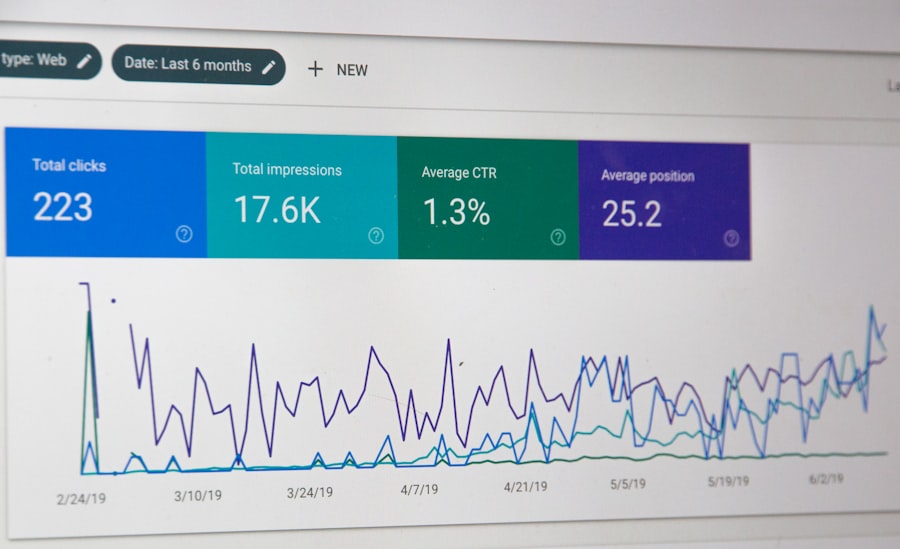
The true power of data lies not only in understanding the past but in predicting the future. By analysing historical performance and market trends, we can make more accurate forecasts and proactively adjust strategies. This foresight is invaluable for long-term sustained growth in Singapore’s competitive landscape.
Forecasting Trends and Consumer Behaviour
We analyse vast datasets to identify emerging trends in the Singaporean market. This could involve predicting shifts in consumer preferences, identifying new popular search terms, or anticipating the impact of upcoming events on search volume and advertising costs. This proactive approach allows you to stay ahead of the curve.
Market Trend Analysis
- Google Trends and Keyword Research: Identifying shifts in search interest and consumer intent within Singapore.
- Social Listening: Monitoring conversations on social media to gauge public sentiment and emerging topics.
- Competitor Analysis: Understanding how your competitors are performing and what strategies they are employing.
Budget Forecasting and Allocation
Accurate forecasting allows for more intelligent budget allocation. By predicting the potential ROI of different campaigns or channels, we can ensure your marketing investment is directed where it will have the greatest impact. This prevents overspending on underperforming initiatives and maximises the return on every dollar spent.
Scenario Planning
- Best-Case, Worst-Case, and Most Likely Scenarios: Preparing for different market conditions and campaign outcomes.
- Impact of External Factors: Considering how economic shifts, regulatory changes, or seasonal events might affect performance.
Identifying Future Growth Opportunities
Predictive analytics can illuminate uncharted territories for growth. By understanding customer behaviour patterns and market gaps, we can identify new audience segments to target, new products or services to promote, or new marketing channels to explore. This forward-thinking approach ensures your business remains agile and continues to evolve.
Strategic Expansion
- Untapped Market Segments: Identifying demographic or psychographic groups that are currently underserved.
- Emerging Product Categories: Spotting opportunities to introduce new offerings based on market demand.
- Cross-selling and Upselling Opportunities: Leveraging existing customer data to recommend complementary or higher-value products.
In the ever-evolving landscape of digital marketing, understanding the importance of demand generation is crucial for businesses looking to thrive. A recent article highlights how companies in Singapore can effectively move beyond traditional search strategies to capture a broader audience. By exploring innovative approaches, marketers can enhance their outreach and engagement efforts. For more insights on this topic, you can read the full article here: demand generation in Singapore.
The Importance of Professional Strategy in a Competitive Market
| Metrics | Data |
|---|---|
| Website Traffic | 10,000 visitors per month |
| Conversion Rate | 5% |
| Email Subscribers | 2,000 subscribers |
| Social Media Followers | 50,000 followers |
| Cost Per Click (CPC) | 1.50 |
In conclusion, while the allure of quick wins might be tempting, sustained business growth in Singapore’s digitally-saturated environment is built on a foundation of strategic thinking and data-driven execution. It’s about more than just deploying digital tools; it’s about understanding the intricate interplay between your business objectives, your target audience, and the ever-evolving digital ecosystem.
Strategic Digital Marketing is Not a Commodity
The digital marketing landscape is complex and constantly shifting. Attempting to navigate it without a clear, data-informed strategy is akin to sailing without a compass. You might move, but you are unlikely to reach your intended destination efficiently, if at all. Relying on generic methods or simply following the latest trend without understanding its underlying purpose for your business will inevitably lead to compromised ROI.
The Agency of Strategic Expertise
This is where professional expertise becomes critical. A leading digital marketing agency doesn’t just execute campaigns; it cultivates understanding. We bring a data-centric approach to every aspect of your digital presence, ensuring that every investment is measured, every decision is informed, and every effort is geared towards maximising your business ROI. In Singapore, where competition is fierce and consumer expectations are high, a strategic approach isn’t just advantageous; it’s essential for demonstrable and sustainable commercial success.
FAQs
What is digital marketing?
Digital marketing is the use of digital channels such as websites, social media, email, and search engines to promote products or services to potential customers.
What are the benefits of digital marketing?
Digital marketing allows businesses to reach a larger audience, target specific demographics, track and measure results, and engage with customers in real-time.
What are some common digital marketing strategies?
Common digital marketing strategies include search engine optimization (SEO), content marketing, social media marketing, email marketing, and pay-per-click advertising.
How does digital marketing differ from traditional marketing?
Digital marketing uses digital channels and platforms to reach and engage with customers, while traditional marketing relies on offline channels such as print, television, and radio.
What are some key metrics used to measure the success of digital marketing campaigns?
Key metrics used to measure the success of digital marketing campaigns include website traffic, conversion rates, click-through rates, engagement metrics, and return on investment (ROI).